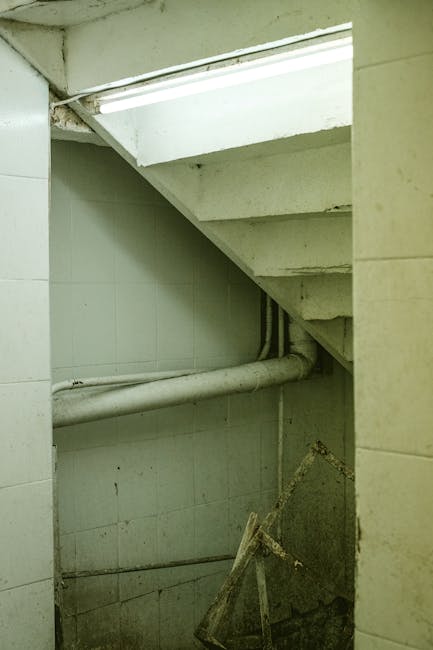
Mould in Putney Basements: Safe Removal Steps
Basements have a habit of staying cool, quiet, and just a little bit damp. In Putney, that can be enough for mould to settle in behind boxes, along skirting boards, or on stored furniture before you even notice it. If you have spotted dark patches, a musty smell, or that fuzzy film on walls, this guide to Mould in Putney Basements: Safe Removal Steps will walk you through what to do, what to avoid, and when to bring in help. The aim is simple: remove the mould safely, deal with the moisture behind it, and stop the problem coming straight back. Not glamorous, granted. But very fixable if you take it step by step.
For Putney homeowners, landlords, and tenants, basement mould is rarely just a cleaning issue. It can affect air quality, damage plaster, spoil belongings, and make a room feel cold and unpleasant. If you are already thinking about wider property upkeep, it may also help to read about the local housing context in Putney's property market or the broader character of the area in the locals' take on Putney living. A dry, well-kept basement is part of a healthy home, full stop.
This article covers the causes, safe removal process, practical tools, common mistakes, and sensible next steps. If you are dealing with a small patch or a much larger spread, you will come away with a clearer plan. And if you are managing a rented property, there are some extra points worth noting too, especially where cleaning, safety, and tenant expectations meet.
Table of Contents
- Why Mould in Putney Basements: Safe Removal Steps Matters
- How Mould in Putney Basements: Safe Removal Steps Works
- Key Benefits and Practical Advantages
- Who This Is For and When It Makes Sense
- Step-by-Step Guidance
- Expert Tips for Better Results
- Common Mistakes to Avoid
- Tools, Resources and Recommendations
- Law, Compliance, Standards, or Best Practice
- Options, Methods, or Comparison Table
- Case Study or Real-World Example
- Practical Checklist
- Conclusion
- Frequently Asked Questions
Why Mould in Putney Basements: Safe Removal Steps Matters
Mould in a basement is not just an ugly mark on the wall. It is a sign that moisture has found a place to linger, and once that happens, mould can keep returning unless the source is addressed. In a Putney basement, that moisture might come from condensation, poor airflow, seepage after heavy rain, an old vent that no longer does much, or simply stored items trapping damp air against a cold surface.
Why does this matter so much? Because basements often hold things people care about and forget about at the same time. Boxes of paperwork, spare furniture, seasonal clothing, gym gear, or even a boiler area. One damp corner can quietly spread the problem. You open the door one day and get that unmistakable earthy smell. Bit of a sinking feeling, really.
Safe removal matters because mould can release spores when disturbed. That does not mean every patch is a disaster, but it does mean you should clean carefully, protect yourself, and avoid creating more spread than necessary. The "safe" part is just as important as the "removal" part. Truth be told, a lot of the damage happens when people scrub too hard, use the wrong products, or skip the drying stage.
If your basement is part of a rental property, this can also affect how the space is perceived during inspections or moves. For landlords and agents, it may be worth looking at related local guidance such as Putney SW15 end of tenancy cleaning advice for landlords and the service page for end of tenancy cleaning in Putney. A clean, dry basement gives a much better impression than one with lingering odour and stained plaster, obviously.
How Mould in Putney Basements: Safe Removal Steps Works
Safe mould removal is really a two-part job: remove what is visible, then reduce the conditions that let it grow. If you only tackle the surface, the mould often returns. Basements are especially prone to this because they sit below ground level, where walls can stay colder for longer and moisture can collect in corners, around pipework, or behind furniture.
Here is the basic logic behind the process:
- Assess the size of the affected area. Small patches on non-porous surfaces can often be cleaned carefully at home. Larger, repeated, or hidden growth needs professional assessment.
- Protect yourself and the room. Use simple protective gear, reduce spread, and avoid dry brushing.
- Clean the visible mould. Use suitable cleaning methods based on the surface type.
- Dry the area fully. Moisture left behind is an open invitation for mould to return.
- Fix the cause. Improve ventilation, reduce condensation, repair leaks, or manage storage better.
That last point is the one people tend to skip. They clean the wall, stand back, and think the job is done. Then, two weeks later, the same patch creeps back. Not mysterious at all. The root cause is still there.
Basements in older or mixed-age London properties can be a bit unpredictable. Some have decent air circulation; others feel sealed up and slightly stale from the moment you step down the stairs. If you are planning other cleaning work in the property, related pages like domestic cleaning in Putney and house cleaning services in Putney may be useful for keeping the rest of the home on a steady cleaning schedule while the basement is being sorted out.
Key Benefits and Practical Advantages
There are several good reasons to deal with basement mould promptly, and none of them are fussy or theoretical. They are practical, everyday benefits you can actually feel.
- Better air quality: Less mould growth usually means less musty smell and a fresher-feeling room.
- Reduced damage: Early action protects plaster, paint, wood, and stored items from deeper staining or decay.
- Safer storage: Boxes, fabrics, and sentimental items are less likely to be ruined.
- More usable space: A basement stops feeling like a forgotten dump zone and becomes genuinely usable again.
- Lower risk of repeat growth: If you address humidity and ventilation, you are not just cleaning for the sake of it.
There is also a quieter benefit: peace of mind. A basement with a mould problem often makes people second-guess the rest of the house. Is the loft okay? Are the walls fine upstairs? Has that smell spread? Once the basement is under control, the whole place tends to feel more settled.
For anyone balancing budget and priorities, it helps to understand service expectations before booking support. The page on pricing and quotes can help set a sensible expectation, and services overview gives a broader view of the kinds of help available.
Who This Is For and When It Makes Sense
This advice is for anyone dealing with basement mould in Putney, but the best next step depends on your situation. A small patch on a painted wall is one thing. Black mould across stored furnishings, peeling plaster, or repeated condensation is another.
It makes sense for:
- Homeowners who have noticed a musty smell or visible spotting in the basement
- Tenants who need to report damp or mould concerns carefully and clearly
- Landlords preparing a property for inspection, new tenants, or seasonal use
- Households using the basement as storage, a utility room, or occasional living space
- Office or mixed-use premises with below-ground storage areas
When is it sensible to step back and seek professional help? If the mould covers a large area, keeps returning, smells strong even after cleaning, or appears on porous materials like insulation, chipboard, or heavily affected plasterboard. Also if you suspect hidden damp behind the wall. At that point, surface cleaning alone is a bit like drying the kitchen floor while the tap is still running.
For landlords and property managers, it can also be useful to read real estate in Putney to understand how property presentation affects value and tenant confidence. That may sound broad, but in practice it matters a lot when a basement room is part of the rental appeal.
Step-by-Step Guidance
Here is a safe, practical process you can follow for a small to moderate patch of mould on a hard, non-porous surface. If the area is large or the material is damaged, stop and reassess before you begin.
1. Identify the source of moisture
Look for signs of condensation, leaks, blocked vents, dripping pipes, or external water ingress. Check corners, around windows, behind stored items, and near the floor-to-wall joint. If the mould is on a wall that feels cold and damp to the touch, moisture is probably still active.
2. Clear the area gently
Move items away from the affected wall or floor if you can do so safely. Do not shake dusty boxes or drag mouldy fabric through the room. If something is heavily affected and porous, it may need to be discarded rather than cleaned.
3. Ventilate the space
Open windows if the basement has them. Use fans if appropriate. The point is to move stale air out and avoid working in a closed, humid pocket. If the weather is very damp outside, be sensible about how much fresh air you bring in; ventilation is helpful, but flooding the room with moisture is not exactly the goal.
4. Protect yourself
Wear gloves, eye protection, and a mask suitable for dusty conditions. If you are sensitive to mould, have asthma, or feel unwell around damp environments, it is better not to push your luck. A quick job should still be treated carefully.
5. Clean the surface carefully
Use a suitable cleaner for the surface type. On hard, wipeable surfaces, clean gently rather than scrubbing aggressively. The aim is to lift the mould, not grind it into the paintwork. Avoid mixing cleaning products, and never use anything harsh on a delicate finish without checking first.
6. Rinse and dry thoroughly
Wipe away residue, then dry the area fully. This is not a nice-to-have. It is the difference between a temporary tidy-up and a proper intervention. If a surface stays damp, mould can reappear very quickly.
7. Inspect nearby surfaces
Mould often shows up in clusters. Check skirting boards, shelves, the underside of furniture, cardboard boxes, and behind stored textiles. A patch on the wall may be just the visible tip of a larger moisture issue.
8. Prevent recurrence
Improve airflow, avoid storing items directly against cold walls, use moisture-resistant storage where sensible, and deal with leaks or faulty seals as soon as possible. If your basement is consistently humid, dehumidification may help, but only as part of a wider moisture-control plan.
For carpeted areas affected by damp or staining, the process is a little different. You may find the page on carpet cleaning in Putney helpful, and if a stain is already set into the fibres, this local guide on carpet stain rescue near Putney Bridge offers a useful related read.
Expert Tips for Better Results
A few practical habits make a surprisingly big difference. These are the things people learn after dealing with the same damp corner more than once.
- Work from the outside in. Start around the edges of the affected area so you do not smear residue wider than necessary.
- Use storage gaps. Keep a small air gap between boxes and basement walls. Even a few centimetres can help.
- Choose plastic or sealed storage. Cardboard absorbs moisture and tends to invite mould. It is cheap, yes, but not ideal for damp basements.
- Check seasonal changes. Mould often gets worse in colder months when condensation increases. A quick inspection in autumn can save a lot of bother in winter.
- Look up, not just down. Pipes, joists, and ceiling corners can be overlooked. Mould likes forgotten places.
- Keep notes. If the same area keeps returning, jot down when it appears and what the weather or heating conditions were. Patterns matter.
One small but useful observation: many basement mould problems are made worse by storage habits rather than one dramatic leak. A room packed tightly with paper, fabric, and furniture becomes a little moisture trap. Nothing fancy. Just physics doing its thing.
If you need help managing the broader home after damp work, office cleaning in Putney may be relevant for mixed-use properties or home offices below ground, while about us can give you a better feel for the service approach behind the scenes.
Common Mistakes to Avoid
Most mould jobs go wrong in predictable ways. The good news is that they are avoidable.
- Cleaning before checking the cause: If you do not know why the mould appeared, it will often return.
- Dry brushing or sweeping: This can spread spores and dust through the room.
- Using the wrong product for the surface: Some finishes can be damaged by harsh cleaners.
- Ignoring hidden damp: Behind furniture, under shelving, and along wall junctions are common trouble spots.
- Storing belongings back too soon: If the area is still slightly damp, you are setting up a repeat problem.
- Assuming paint will solve it: Covering mould without treating moisture is cosmetic, not corrective.
There is also a human mistake that happens a lot: waiting too long because the job feels awkward. Basement mould can seem a bit grim, sure, but the longer you leave it, the more surfaces it can reach. Best not to give it a head start.
Tools, Resources and Recommendations
You do not need a van full of specialist gear to deal with a small patch, but a few basic tools make the job much safer and neater.
| Item | Why it helps | Best for |
|---|---|---|
| Gloves and eye protection | Reduces exposure while cleaning | Any mould cleanup |
| Mask for dusty conditions | Helps reduce inhalation of disturbed particles | Enclosed basement work |
| Microfibre cloths | Useful for controlled wiping and drying | Hard surfaces |
| Mild cleaning solution | Helps lift visible growth without excess aggression | Painted or wipeable surfaces |
| Fan or dehumidifier | Speeds drying and lowers moisture | Post-cleanup ventilation |
| Sealed storage boxes | Protects belongings from damp air | Long-term basement storage |
A dehumidifier can be useful, but think of it as support, not a cure. If your basement is cold, leaky, or poorly ventilated, the machine may work hard without fully solving the issue. The room needs a proper moisture strategy, not just a gadget humming in the corner. And yes, that does sound a bit dull. Still true though.
If you are planning broader cleaning or moving work, related local pages like end of tenancy cleaning, house cleaning, and domestic cleaning can help you see how basement treatment fits into the wider property routine.
Law, Compliance, Standards, or Best Practice
For mould in a basement, the main thing to understand is that there is no single one-size-fits-all rule for every property. The practical standard in the UK is to manage damp and mould responsibly, keep living spaces safe, and deal with hazards before they become recurring problems. In rental properties, that usually means landlords should not ignore signs of damp or mould, especially where it affects habitability or tenant health.
From a best-practice point of view, the safest approach is to:
- identify and fix moisture sources rather than only cleaning the surface
- use suitable personal protection when disturbing mould
- avoid mixing cleaning products
- dispose of badly contaminated porous materials carefully
- keep records of repairs, inspections, and follow-up actions
If the basement is part of a rented home, good communication matters. Tenants should report the issue clearly and promptly. Landlords should respond in a structured way, not with vague reassurance and a promise to "look at it next week". That answer rarely helps anyone.
For service standards and operational confidence, it can also be reassuring to review pages such as health and safety policy and insurance and safety information. Those pages are a useful reminder that safety is part of the work, not an afterthought.
Options, Methods, or Comparison Table
Different mould situations call for different responses. A simple comparison makes that a bit easier to judge.
| Method | Best For | Strengths | Limitations |
|---|---|---|---|
| Careful DIY cleaning | Small patches on hard surfaces | Fast, low-cost, practical | Only works if moisture source is minor and controllable |
| Deep cleaning plus drying | Moderate mould with condensation issues | Better for recurring damp spots | Needs more time and proper airflow |
| Storage reset and ventilation improvements | Cluttered basements | Prevents repeat growth | May not solve active leaks |
| Professional cleaning and assessment | Larger, hidden, or recurring mould | Safer for complex cases | Costs more, but often avoids repeated fixes |
If you are unsure which route fits, ask yourself one simple question: is this a cleaning issue, or is it really a damp issue wearing a cleaning disguise? That little distinction saves a lot of wasted effort.
Case Study or Real-World Example
A Putney homeowner used a basement room for storage and winter clothing. After a wet spell, they noticed a faint smell and some grey spotting on the lower wall behind stacked boxes. At first, they wiped the surface and moved on. A fortnight later, the smell was back, a little stronger this time.
On closer inspection, the boxes had been pushed directly against a cold external wall, trapping moisture. The room also had limited airflow, and a small leak around a pipe had been dripping unnoticed for weeks. The fix was not dramatic, but it did need a proper sequence: clear the room, clean the affected wall carefully, dry everything out, repair the leak, and improve storage spacing.
The difference was noticeable. The basement stopped smelling stale. The wall dried out properly. And the boxes, well, they were moved to sealed containers instead of cardboard. A boring change, maybe. A very effective one though.
That is the pattern with most basement mould cases: the visible patch is only part of the story. Once the moisture and storage setup are corrected, the room starts behaving better almost immediately.
Practical Checklist
Use this simple checklist before, during, and after cleaning:
- Check the size of the mould patch
- Look for the moisture source first
- Wear gloves, eye protection, and a suitable mask
- Move belongings away from the affected area
- Ventilate the space as much as conditions allow
- Clean gently with a suitable method for the surface
- Dry the area completely
- Inspect nearby corners, skirting, and stored items
- Repair leaks, improve airflow, or reduce condensation
- Re-check the area after a few days and again after wetter weather
Expert summary: The safest mould removal is the one that removes the growth and the damp behind it. If you only clean what you can see, the problem usually comes back, often in the same spot. Control moisture first, then clean, then keep the room airy and uncluttered.
For anyone comparing service options or planning a bigger home clean alongside basement work, it can also help to review services overview and the wider local context in Putney's city-meets-suburbia character. Different homes, different basements, different problems. The same general principle still applies: keep moisture down.
Conclusion
Basement mould can feel like a nuisance at first and a headache later if it is ignored. The good news is that a safe, sensible approach usually works well: assess the size of the problem, protect yourself, clean carefully, dry thoroughly, and fix the moisture source. That is the real job. Not just wiping the marks, but making the room less welcoming to mould in the first place.
In Putney, where many properties combine older construction with everyday London damp and temperature swings, basement care is one of those quiet maintenance jobs that pays off. It protects your home, your storage, and your peace of mind. And honestly, that is worth doing properly.
Get a free quote today and see how much you can save.
Whether you are sorting out a small patch or a stubborn recurring issue, taking action now is a lot easier than dealing with a bigger repair later. A dry basement has a calmer feel to it. You notice the difference the moment you step down the stairs.
Frequently Asked Questions
Can I clean basement mould myself?
Yes, if the affected area is small, on a hard surface, and you can clearly see the source of moisture or at least control it. Use protective gear, clean gently, and dry the area fully. If the mould keeps returning or covers a large area, it is wiser to get professional help.
What causes mould in Putney basements most often?
The most common causes are condensation, poor ventilation, minor leaks, stored items packed too tightly against cold walls, and occasional water ingress after wet weather. In older properties, a mix of these factors is very common.
Is black mould always dangerous?
Not every dark patch is the same, and colour alone does not tell the full story. Any visible mould should be treated carefully because it can spread and affect air quality. If you are unsure, treat it as a serious cleaning and damp issue rather than guessing.
Can I paint over mould to hide it?
No. Painting over mould may cover the stain for a while, but it does not remove the growth or solve the moisture problem. The mould often comes back through the paint or underneath it.
Should I use bleach on basement mould?
Bleach is not always the best option, especially on porous surfaces or where the root moisture problem remains. A suitable cleaner for the surface type, plus proper drying and moisture control, is usually more important than using something harsh.
How do I know if the mould is from condensation or a leak?
Condensation often appears on colder walls, corners, or around poorly ventilated spaces. Leaks may show as wet patches, staining, dripping, or localised damage. If the source is not obvious, check nearby pipework, external walls, and ceiling joints carefully.
Do dehumidifiers solve basement mould?
They can help reduce moisture in the air, which is useful, but they do not fix leaks or structural damp. Think of a dehumidifier as part of the solution, not the whole answer.
How long should a basement dry after mould cleaning?
It depends on the room, the material, and the ventilation. The important part is not to rush it. The area should feel fully dry before you put belongings back. If it still feels cool and clammy, give it more time.
When should a landlord step in?
As soon as a tenant reports recurring mould, damp smells, visible growth, or signs of water ingress. Prompt action is sensible, and in rented homes it also helps avoid a bigger dispute later. Quick communication usually saves everyone trouble.
Can mould damage belongings in a basement?
Yes. Paper, fabric, cardboard, leather, and untreated wood are all vulnerable. Once mould gets into porous items, cleaning may not fully restore them. Sealed storage is a much safer bet for long-term basement use.
What if the mould keeps coming back after cleaning?
That usually means the moisture source has not been fixed. Recheck ventilation, leaks, storage layout, external walls, and humidity levels. Recurrent mould is a sign that the room itself needs attention, not just another wipe-down.
Is basement mould a sign of a bigger property problem?
Sometimes, yes. It can point to poor ventilation, hidden leaks, damaged damp protection, or simply a basement that has never been set up well for storage. A repeat issue is worth taking seriously, even if the patch looks small at first.