Communal Area Cleaning: Creating Safer, Cleaner, and More Welcoming Shared Spaces
Communal area cleaning plays a vital role in maintaining healthy, attractive, and functional shared environments. Whether in apartment blocks, office buildings, student housing, mixed-use developments, or residential complexes, the condition of common spaces affects comfort, safety, and first impressions. A well-planned communal area cleaning routine helps reduce dirt buildup, improve hygiene, and create a more pleasant experience for everyone who uses the property.
From entrance halls and stairwells to lifts, corridors, bin stores, and shared kitchens, these spaces face constant traffic. That means communal area cleaning must be consistent, thorough, and adapted to the specific needs of the building. When cleaning is handled professionally, it can improve property value, support tenant satisfaction, and make a strong impression on visitors and residents alike.
In this article, we explore what communal area cleaning involves, why it matters, what areas should be included, and how to build an effective cleaning schedule. We also look at best practices, common challenges, and the benefits of choosing reliable communal area cleaning services for different property types.
What Is Communal Area Cleaning?
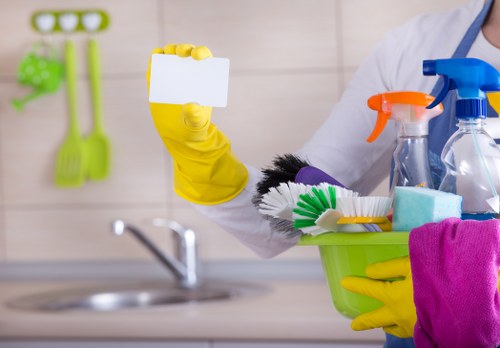
Communal area cleaning refers to the cleaning and maintenance of shared spaces within a building or property. These are the areas used by multiple people, often daily, and they require more attention than private spaces because of higher foot traffic and shared responsibility. Typical tasks may include sweeping, mopping, vacuuming, dusting, disinfecting surfaces, removing litter, and keeping fixtures clean and presentable.
This type of cleaning is common in residential blocks, office buildings, schools, healthcare environments, apartment complexes, and commercial properties. The main purpose of communal area cleaning is to maintain hygiene, reduce the spread of germs, and ensure shared spaces are safe and appealing.
It is also important for long-term upkeep. Regular cleaning prevents dirt from causing damage to flooring, walls, doors, and fittings. In many buildings, communal area cleaning is not just a cosmetic service; it is part of property care and risk reduction.
Why Communal Area Cleaning Matters
Shared spaces are often the first part of a property that people see. If they are dirty, cluttered, or badly maintained, the entire building can feel neglected. Clean communal spaces, by contrast, send a message of care, organisation, and professionalism. That matters for residents, visitors, landlords, tenants, and property managers.
One of the biggest reasons communal area cleaning matters is hygiene. Shared touchpoints such as handrails, door handles, lift buttons, and intercom systems can easily collect bacteria and viruses. Regular cleaning and disinfection help reduce contamination and support a healthier environment for everyone.
Another reason is safety. Dust, spills, leaves, and rubbish can create slip hazards or block access routes. Proper communal area cleaning reduces these risks and helps keep escape routes, stairwells, and entrances usable at all times. In busy buildings, that can make a real difference.
There is also a financial benefit. Clean and well-maintained communal areas can help preserve surfaces and fittings, reducing repair or replacement costs over time. Effective communal area cleaning is therefore both a practical and cost-conscious investment.
Key Areas Included in Communal Area Cleaning
Every property is different, but most communal area cleaning plans cover a similar set of shared zones. A professional service usually begins by identifying the specific spaces that need attention and then creating a cleaning checklist that matches the building’s layout and usage patterns.
Common areas typically included are:
- Entrance lobbies and reception areas
- Hallways and corridors
- Staircases and landings
- Lifts and elevator interiors
- Shared kitchens and break rooms
- Toilets and washrooms
- Bin stores and waste collection points
- Mail areas and parcel rooms
- External entrances and immediate pavement areas
Depending on the property, communal area cleaning may also include windows, skirting boards, light switches, handrails, carpets, glass doors, mats, and ventilation grilles. In larger buildings, cleaners may also monitor supplies such as soap, paper towels, and bin liners as part of their routine.
High-Touch Surfaces Need Extra Attention
During any communal area cleaning programme, high-touch points should receive special focus. These include door handles, push plates, lift buttons, bannisters, and shared desks or counters. Because these surfaces are touched frequently, they can spread germs quickly if not sanitised properly.
How Often Should Communal Area Cleaning Be Carried Out?
The frequency of communal area cleaning depends on the building type, number of users, and level of activity. A quiet residential block may require daily attention to entrances and weekly deep cleaning of corridors, while a busy office building may need several cleaning visits each day.
As a rule, high-traffic communal spaces should be cleaned more often than less-used areas. For example:
- Entrance areas: daily or several times per week
- Corridors and stairwells: daily or weekly depending on traffic
- Lifts: daily or multiple times per day in busy buildings
- Waste areas: at least once a week, often more
- Shared kitchens and washrooms: daily or more frequently
A successful communal area cleaning plan should be flexible. Seasonal changes, weather conditions, and occupancy levels can all affect cleaning needs. For instance, during rainy or winter months, more mud, water, and salt can be tracked indoors, making frequent cleaning even more important.
It is also wise to combine routine cleaning with periodic deep cleaning. This ensures that everyday dirt is controlled while hidden buildup is addressed before it becomes a problem.
Choosing the Right Cleaning Frequency
Assessment is key. Property managers should look at usage patterns, resident expectations, and compliance requirements when deciding how often communal area cleaning should take place. A cleaning schedule should be practical, visible, and consistent.
Benefits of Professional Communal Area Cleaning Services
Professional communal area cleaning services offer more than just a tidy appearance. They bring structure, consistency, and expertise to spaces that are used by many people every day. When carried out properly, these services can improve both the physical environment and the experience of those who use it.
Some of the main benefits include:
- Improved hygiene: Regular disinfection reduces the spread of germs.
- Better appearance: Clean spaces feel more inviting and professional.
- Increased safety: Reduced slips, trips, and obstruction risks.
- Longer surface life: Dirt and grime are less likely to damage materials.
- Higher satisfaction: Residents, staff, and visitors appreciate well-kept areas.
Professional cleaners also tend to work from detailed checklists and quality standards, helping ensure nothing is missed. This is especially valuable in large or complex properties where communal area cleaning must be reliable and efficient.
Another advantage is consistency. A trained cleaning team follows the same processes each time, which helps maintain a predictable standard. For property managers, that means fewer complaints and less time spent dealing with avoidable issues.
Tailored Solutions for Different Properties
Communal area cleaning is not one-size-fits-all. A residential development will have different needs from a corporate office or a student accommodation block. Professional providers can tailor the cleaning plan to match the property, ensuring the right tasks are completed at the right intervals.
What Makes an Effective Communal Area Cleaning Plan?

An effective communal area cleaning plan starts with a proper assessment of the space. That means looking at the number of floors, traffic levels, surfaces, problem areas, and the types of users who move through the building each day. From there, a schedule can be created to prioritise the most important tasks.
Important elements of an effective plan include:
- A written checklist for each area
- Clearly defined daily, weekly, and monthly tasks
- Use of suitable cleaning products and equipment
- Regular disinfection of touchpoints
- Waste removal and bin maintenance
- Quality checks and supervision
It is also helpful to keep communication open between cleaners, managers, and occupants. If a specific area becomes dirty more quickly than expected, the cleaning schedule should be adjusted. Good communal area cleaning depends on responsiveness as much as routine.
In modern buildings, sustainability is becoming increasingly important. Many organisations now prefer eco-friendly products, low-water cleaning methods, and efficient equipment that reduces energy use. This can support environmental goals without compromising cleanliness.
Documentation and Accountability
Detailed records can make communal area cleaning easier to monitor. Cleaning logs, inspection sheets, and task schedules help track what was done, when, and by whom. This transparency supports accountability and can help resolve concerns quickly.
Why Records Matter
Documentation is useful for quality control, compliance, and communication. It also helps building managers identify recurring issues and measure whether the current cleaning plan is working effectively.
Common Challenges in Communal Area Cleaning
Although communal area cleaning is essential, it can come with a number of challenges. One common issue is inconsistent use of the space. If residents, staff, or visitors leave litter behind or spill drinks frequently, cleaners may struggle to keep up without a proper schedule.
Another challenge is access. In some buildings, cleaners may need keys, codes, or permission to enter certain areas. Delays in access can reduce efficiency and lead to missed tasks. Poor communication between building management and cleaning staff can also create problems.
Weather is another factor, especially in shared entrances and external walkways. Wet and muddy conditions can lead to rapid dirt buildup, meaning communal area cleaning has to be adjusted during certain seasons. Likewise, events, maintenance work, or high occupancy can all increase demand.
To overcome these challenges, it helps to create a clear plan, train staff properly, and review the service regularly. Buildings with strong systems in place are better equipped to maintain high standards all year round.
Best Practices for High-Standard Communal Area Cleaning
Delivering excellent communal area cleaning requires more than basic sweeping and wiping. It involves a consistent routine, attention to detail, and the use of appropriate methods for each surface and setting. Below are some best practices that can help maintain high standards.
1. Start with the most visible areas
Entrances, reception points, and first-floor lobbies should be prioritised because they create the initial impression. If these areas are spotless, the building immediately feels better maintained.
2. Work from top to bottom
Cleaning from higher surfaces down to lower ones helps prevent dust and dirt from falling onto already cleaned areas. This simple technique improves efficiency and results.
3. Use the right tools
Microfibre cloths, vacuum cleaners with HEPA filters, neutral floor cleaners, and disinfectant products all have a place in professional communal area cleaning. Using the right tool for the task makes a noticeable difference.
4. Focus on consistency
The best cleaning is the cleaning people can rely on. A dependable schedule and trained team are crucial, especially in larger buildings where standards must remain steady over time.
5. Pay attention to details
Small things matter. Finger marks on glass, dust on skirting boards, crumbs in corners, and dirty switch plates may seem minor, but they can affect the overall appearance of the entire property.
Communal Area Cleaning for Different Property Types
Different properties have different cleaning priorities. A commercial office building, for example, may need frequent cleaning of washrooms and kitchenettes, while a residential block may focus more on corridors, staircases, and entryways. Understanding the setting helps shape a more effective communal area cleaning strategy.
In apartment buildings, tenants often expect spotless hallways, clean lift interiors, and tidy bin areas. In office buildings, shared kitchens, meeting rooms, and reception areas often receive more attention. Student housing typically requires fast, high-frequency cleaning due to high turnover and frequent use of shared facilities.
Retail and mixed-use properties may require a balance between customer-facing presentation and behind-the-scenes hygiene. In these environments, communal area cleaning supports both safety and commercial appeal. For many property owners, that makes it an essential part of operations.
Regardless of the setting, the goal remains the same: to create a clean, safe, and welcoming environment that supports daily use.
Residential Block Cleaning Priorities
For residential settings, clean entrances, tidy stairwells, and hygienic refuse areas are often the top priorities. Residents notice these spaces every day, so maintaining them well is especially important.
The Role of Communication in Communal Area Cleaning
Good communication can significantly improve communal area cleaning outcomes. When everyone involved understands the schedule, responsibilities, and expected standards, the cleaning service runs more smoothly. This is particularly useful in shared buildings where multiple stakeholders are involved.
Property managers should communicate any changes in building use, access requirements, or special events that may affect the cleaning routine. Likewise, cleaning teams should be able to report issues such as damage, leaks, broken lights, or repeated misuse of common spaces.
Clear communication also helps manage expectations. Occupants are more likely to appreciate the service when they understand what is being cleaned, how often, and why certain tasks are prioritised. Transparency builds trust and supports better cooperation.
If a problem is noticed early, it can often be resolved before it becomes larger. This makes regular communication an important part of any successful communal area cleaning arrangement.
Communal Area Cleaning and Health Standards
Health and cleanliness go hand in hand in shared environments. Poorly maintained communal spaces can contribute to unpleasant odours, pest problems, and the spread of germs. That is why many organisations treat communal area cleaning as part of their broader health and safety approach.
In some environments, such as healthcare premises or care homes, cleaning standards may need to align with stricter hygiene expectations. Even in ordinary residential or office settings, the regular removal of dirt and waste is essential for a healthy atmosphere.
Areas such as toilets, bins, and kitchenettes should receive extra care because they are more likely to harbour bacteria and produce odours. Ventilation, waste disposal, and sanitisation are all important parts of effective communal area cleaning.
By maintaining high standards, buildings can support the wellbeing of those who live, work, or visit there. That makes communal area cleaning a practical service with a meaningful impact.
How to Choose the Right Communal Area Cleaning Provider
Choosing the right provider can make a significant difference in the quality of communal area cleaning. Look for a company with experience in your property type, clear working methods, and a commitment to consistency. A strong provider should be able to assess your building and recommend a cleaning plan that fits its needs.
Useful factors to consider include:
- Experience in residential or commercial communal cleaning
- Flexible schedules and responsive service
- Training and supervision of cleaning staff
- Use of suitable products and equipment
- Quality checks and reporting procedures
- Ability to tailor services to the property
It is also helpful to ask how they handle special requests, seasonal cleaning needs, and emergency call-outs. A reliable provider will be able to adapt while keeping the core communal area cleaning routine intact.
Book your service now if your building needs a dependable cleaning plan that keeps shared areas in excellent condition. If you are responsible for property management, contact us today to discuss a tailored approach that suits your space and schedule.
The Long-Term Value of Communal Area Cleaning
Communal area cleaning is not just about day-to-day appearance. Over time, it contributes to the overall value, usability, and reputation of a property. Clean, maintained shared areas can help reduce complaints, improve user satisfaction, and support the long-term condition of surfaces and fixtures.
It also creates a more organised living or working environment. When communal spaces are consistently cared for, people are more likely to respect them. That can lead to better behaviour, less littering, and a more positive atmosphere overall.
For landlords, managing agents, and business owners, this makes communal area cleaning a smart investment. It supports presentation, hygiene, and practicality at the same time. In a busy shared building, that combination is hard to beat.
Ultimately, a clean communal environment reflects the quality of the entire property. It reassures users, protects surfaces, and helps everyone enjoy the space more fully. Whether the building is large or small, regular communal area cleaning should never be overlooked.
Final Thoughts
When planned properly and carried out consistently, communal area cleaning improves almost every aspect of a shared property. It keeps spaces safer, healthier, and more welcoming, while also supporting long-term maintenance and a better overall experience for occupants.
If you want a cleaner, fresher, and more professional-looking building, now is the time to prioritise communal area cleaning. Contact us today to discuss a schedule that works for your property, or book your service now and keep your shared spaces in top condition.