Insurance and Safety
 Our insurance and safety approach is designed to protect people, property, and operations while keeping standards clear and consistent. Every project begins with a practical review of potential hazards, the scale of the work, and the level of control needed to reduce exposure. Public liability insurance forms a key part of this protection, helping ensure that if accidental damage or injury occurs, the business is financially prepared to respond responsibly. This gives clients and employees confidence that safety is not treated as an afterthought, but as a core requirement.
We maintain a culture where safe working is built into daily routines. That means the team is expected to understand the task, the environment, and the equipment before work starts. The result is a more reliable insurance and safety policy that supports planning, supervision, and accountability. In practice, this includes careful site checks, clear communication, and a commitment to reducing unnecessary risks wherever possible.
 A strong safety framework also depends on consistent documentation. Our procedures record hazards, protective measures, and responsibilities so that everyone understands what is required. This is especially important in situations where conditions can change quickly. By combining proactive management with clear safety expectations, we strengthen both everyday performance and long-term resilience.
One of the most important parts of our public liability insurance cover is the reassurance it provides when working in shared or busy environments. Although prevention is always the priority, insurance is a vital safeguard for unexpected incidents. It supports the business’s duty of care and complements the controls already in place to avoid accidents. In this way, insurance and safety measures work together as a single system rather than separate processes.
Our staff training programme is structured to make sure everyone understands their role in maintaining safe operations. Training covers hazard awareness, correct tool use, emergency response, manual handling, and communication practices. New starters are introduced to essential procedures from the outset, while experienced team members receive refresher sessions to keep their knowledge current. This helps create a shared standard of professionalism and a stronger safety culture across the organisation.
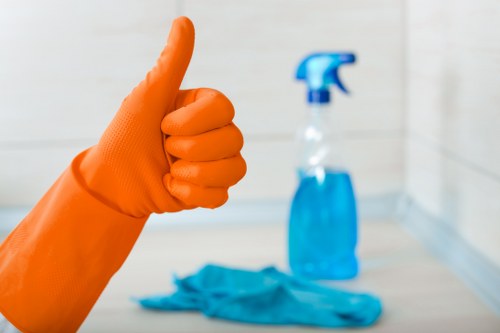
 Personal protective equipment, or PPE, is selected according to the task and the risks involved. Items may include gloves, high-visibility clothing, eye protection, helmets, safety footwear, or hearing protection. PPE is never viewed as a substitute for good planning, but as an additional layer of defence. We ensure it is suitable, well maintained, and worn correctly, because effective insurance and safety management depends on every control measure doing its part.
The risk assessment process is central to how we work. Before any job begins, we identify possible hazards, evaluate the likelihood and severity of harm, and decide what controls are needed. These controls may include changing the method of work, restricting access, using barriers, improving supervision, or assigning specific PPE. Each assessment is reviewed regularly, especially when circumstances change, so the plan remains relevant and practical. This structured approach helps prevent avoidable incidents and supports compliance with internal safety standards.
Risk assessments are not treated as paperwork alone; they are used actively to shape decisions on site and in the workplace. Supervisors and team members check that controls are followed and that any new issues are reported promptly. Where additional action is needed, the assessment is updated and the measures are reinforced. This ensures that insurance and safety arrangements stay aligned with day-to-day operations rather than relying on static documents.
Ongoing monitoring is another essential element of our safety system. We look for patterns, near misses, and recurring issues that may indicate where improvements are needed. That information informs further training, equipment checks, and updates to procedures. By taking a proactive approach, we reduce the chance of disruption and strengthen the overall protection provided by our public liability insurance and operational controls.
 Safety also depends on clear leadership and personal responsibility. Managers set expectations, but every member of staff contributes by following procedures, using PPE properly, and reporting concerns quickly. This shared accountability helps maintain a reliable insurance and safety structure across all activities. When everyone understands the importance of preparation and caution, the workplace becomes safer, more efficient, and better equipped to handle unexpected situations.
We also place emphasis on housekeeping and site organisation, because clutter, poor storage, and unclear walkways can create unnecessary hazards. Simple actions such as keeping areas tidy, securing equipment, and separating pedestrian and operational zones make a meaningful difference. These measures support the wider risk assessment process and show how good planning reduces exposure before an incident can occur.
 Our approach is designed to balance practical working methods with dependable protection. Public liability insurance, staff training, PPE, and risk assessment all work together to create a resilient framework that supports safety at every stage. By maintaining these standards consistently, we help safeguard people, property, and reputation while reinforcing a responsible and professional approach to every task.