Deep Cleaning in Modern Homes: A Practical Approach to a Healthier, Fresher Space
Deep cleaning is more than a routine chore; it is a strategic way to restore freshness, reduce hidden dirt, and create a healthier living environment. In busy homes, dust, grime, grease, and allergens build up in places that regular cleaning often misses. That is why deep cleaning matters so much. It reaches beyond visible surfaces and targets the neglected spots that affect comfort, hygiene, and even indoor air quality. Whether you are preparing for a seasonal reset, moving in or out, or simply wanting a cleaner lifestyle, deep cleaning can transform the way your home looks and feels.
Unlike everyday tidying, deep cleaning is detailed and methodical. It focuses on areas such as baseboards, vents, behind appliances, grout lines, upholstery, and other hard-to-reach spaces. Many homeowners search for ways to make their homes feel truly refreshed, and deep cleaning is often the answer. It not only improves appearance but also helps reduce allergens, remove stubborn odors, and maintain surfaces for longer. For families, renters, landlords, and homeowners alike, the value of deep cleaning goes far beyond aesthetics.
In this article, we will explore what deep cleaning involves, why it is important, how often it should be done, and which areas need the most attention. You will also find practical tips, room-by-room strategies, and smart ways to stay organized. If you have been considering deep cleaning services or planning to handle the work yourself, this article will help you understand the process and the benefits. Deep cleaning can make a real difference in your home and your daily life.
What Deep Cleaning Really Means
Deep cleaning is a thorough and intensive cleaning process designed to remove dirt, grime, bacteria, and buildup that collect over time. While routine cleaning keeps your home presentable, deep cleaning targets the hidden layers of dust and residue that can affect cleanliness in a bigger way. It is often done less frequently than standard cleaning, but it delivers a much higher level of detail.
Think of regular cleaning as maintenance and deep cleaning as restoration. Standard tasks may include wiping counters, vacuuming floors, and cleaning sinks. Deep cleaning goes further by scrubbing tile grout, sanitizing door handles, dusting ceiling fans, washing behind furniture, and cleaning areas that are often ignored. That is why many people schedule deep cleaning during seasonal changes, after illness, before guests arrive, or before special events.
Deep cleaning is also valuable because it helps preserve the condition of your home. Grease on kitchen surfaces, soap scum in bathrooms, and dust in vents can all lead to faster wear and tear if left untreated. By investing time in deep cleaning, homeowners can protect surfaces, improve hygiene, and enjoy a more comfortable living space.
Why Deep Cleaning Is Important for Every Home
There are many reasons why deep cleaning has become such an essential part of home care. First, it improves health by reducing dust, pet dander, pollen, mold spores, and other particles that can trigger allergies or respiratory discomfort. A cleaner environment often means easier breathing and fewer irritants for everyone in the household.
Second, deep cleaning improves the overall look and feel of a home. Shiny fixtures, clean floors, fresh upholstery, and odor-free rooms create a sense of calm and comfort. A home that receives regular deep cleaning simply feels more inviting. This is especially important for people who spend a lot of time indoors or work from home.
Third, deep cleaning helps with organization and maintenance. When you clean deeply, you often notice items that need repair, clutter that needs sorting, or surfaces that require extra care. This makes it easier to stay on top of household tasks. Deep cleaning services can also save time for busy households that want professional-level results without the stress of doing everything themselves.
Key benefits at a glance
- Reduces allergens and dust buildup
- Improves indoor air quality
- Removes stubborn stains and odors
- Extends the life of surfaces and fixtures
- Creates a more comfortable and welcoming home
How Often Should You Schedule Deep Cleaning?
The frequency of deep cleaning depends on your lifestyle, household size, and the level of activity in your home. For many homes, a deep cleaning routine every three to six months works well. However, high-traffic households, homes with pets, or spaces with children may benefit from more frequent attention. Deep cleaning does not need to happen every week, but it should be consistent enough to prevent heavy buildup.
Seasonal deep cleaning is popular because it aligns with natural changes in weather and household habits. Spring and fall are ideal times to tackle larger tasks like washing windows, cleaning vents, and refreshing upholstery. Some homeowners also schedule a deep clean before holidays, after renovations, or after moving into a new property. These moments are perfect opportunities to reset the space.
If you are unsure about timing, start with the areas that collect the most grime. Kitchens and bathrooms usually need deeper attention sooner than guest bedrooms or storage spaces. A good rule is to observe where dirt appears most quickly. That will help you set a realistic deep cleaning schedule that fits your home.
Factors that affect timing
Household size, pets, allergies, cooking habits, and climate all influence how often deep cleaning is necessary. If your home gets dusty quickly or you frequently entertain guests, you may need a more regular schedule.
Room-by-Room Deep Cleaning Priorities
Each room in a home has unique deep cleaning needs. A kitchen, for example, collects grease and food particles, while a bathroom struggles with soap scum, moisture, and mineral buildup. Bedrooms may seem cleaner, but they often hold dust on surfaces, in fabrics, and beneath furniture. The most effective deep cleaning approach is to focus on one room at a time.
In the kitchen, start with appliances, cabinets, counters, backsplashes, and floors. Pay special attention to the refrigerator, oven, microwave, and dishwasher, since these are frequent sources of buildup. Bathrooms should include scrubbing tile, descaling faucets, disinfecting toilets, cleaning mirrors, and washing shower doors or curtains. Bedrooms benefit from mattress vacuuming, dusting, laundering bedding, and cleaning under beds and dressers.
Living rooms and common areas also need deeper attention than many people realize. Upholstery can trap dust and odors, while shelves, electronics, and decor often collect fingerprints and particles. Deep cleaning these spaces helps maintain a polished look and makes daily upkeep much easier. Hallways, entryways, and stairs should also be part of the plan because they are high-contact zones that gather dirt fast.
Common zones to prioritize
- Kitchens: appliances, grout, cabinets, and floors
- Bathrooms: tile, drains, fixtures, and mirrors
- Bedrooms: bedding, mattresses, closets, and baseboards
- Living rooms: upholstery, shelves, vents, and under furniture
- Entryways: doors, mats, floors, and high-touch areas
Tools and Supplies That Make Deep Cleaning Easier
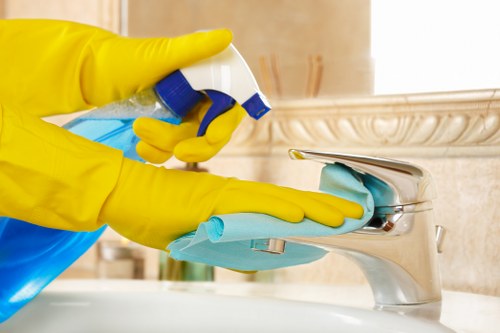
Having the right tools can make deep cleaning faster, safer, and more effective. Basic supplies are helpful, but specialized tools often deliver better results when you are dealing with stubborn dirt or built-up residue. A well-stocked cleaning kit can save time and help you work more efficiently across different rooms.
Some of the most useful items include microfiber cloths, scrub brushes, a vacuum with attachments, a mop, sponges, a bucket, and non-abrasive cleaning solutions. For more intensive tasks, you may also want a grout brush, steam cleaner, extendable duster, and a handheld vacuum. Depending on the surfaces in your home, you may need glass cleaner, degreaser, disinfectant, or a mild multi-surface solution.
Safety should also be part of the process. Always read labels before using a product, especially when cleaning natural stone, wood, or delicate finishes. Proper ventilation is important when using strong cleaners. Gloves can protect your hands, and using the right cloths or brushes helps avoid scratches. Whether you are doing the work yourself or hiring deep cleaning services, using the proper tools can dramatically improve the final result.
Helpful supply checklist
- Microfiber cloths and dusters
- Scrub brushes and grout tools
- Vacuum with crevice attachments
- Mop and bucket
- Glass cleaner and disinfectant
- Degreaser for kitchen buildup
- Protective gloves
Deep Cleaning the Kitchen: Where Detail Matters Most
The kitchen is often the heart of the home, but it is also one of the hardest rooms to keep truly clean. Cooking creates grease, steam, crumbs, and spills that settle onto surfaces and appliances. A proper deep cleaning of the kitchen should go far beyond wiping the counter and sweeping the floor.
Begin by clearing surfaces and removing items from cabinets or countertops. Clean the tops and fronts of cabinets, then move to appliances such as the oven, refrigerator, stove, and microwave. Pay attention to handles, knobs, and control panels, which are touched often and can harbor grime. Backsplashes and sinks should be scrubbed thoroughly, especially around edges and corners where residue tends to build up.
Do not forget inside the refrigerator and pantry. Expired food, sticky containers, and spills can all create odors and attract pests. Pull appliances away from the wall when possible and clean behind them. Finish by washing the floors carefully, including corners and under movable furniture. A deep cleaning kitchen routine can make meal prep more enjoyable and help your home feel much fresher.
Kitchen deep cleaning checklist
- Degrease stovetops and range hoods
- Clean oven interiors and door glass
- Wipe cabinet doors and handles
- Sanitize sink drains and faucets
- Organize pantry shelves and discard expired items
- Scrub floors, edges, and hidden corners
Deep Cleaning the Bathroom for Better Hygiene
Bathrooms are high-moisture spaces, which means they are ideal environments for soap scum, mildew, and mineral deposits. A strong deep cleaning routine is essential here because these areas need both visible cleaning and sanitizing. Bathrooms should feel fresh, dry, and disinfected after every deep clean.
Start with the shower, tub, sink, toilet, and counters. Use appropriate cleaners to break down soap residue on tiles, glass doors, and fixtures. Scrub grout lines and pay attention to corners, drains, and around faucets. Mirrors and medicine cabinets should be wiped carefully, and storage areas should be decluttered and cleaned inside. If there are small rugs, bath mats, or shower curtains, wash or replace them as needed.
The toilet area deserves special care during any deep cleaning session. Clean behind the base, around hinges, and along the floor. Then disinfect handles, light switches, and other high-touch surfaces. Vent fans should be dusted to support better airflow and reduce moisture buildup. A clean bathroom not only looks better but also supports better hygiene throughout the home.
Bathroom focus areas
Shower doors, grout, tile corners, faucets, mirrors, and toilet bases are among the most commonly missed spots. Addressing these during deep cleaning can make a dramatic difference.
Living Areas, Bedrooms, and Hidden Dust Zones
Living rooms, bedrooms, and family spaces may appear clean at first glance, but they often hide dust and buildup in less obvious places. A thorough deep cleaning session should include these rooms because they are used daily and contain fabrics, electronics, and furniture that trap particles over time.
Dust shelves, picture frames, light fixtures, ceiling fans, vents, and baseboards. Move furniture when possible and vacuum behind and underneath it. Upholstered sofas, chairs, and mattresses should be vacuumed using the right attachments. Curtains, blankets, and throw pillows may need washing or professional care depending on the fabric. Closets should also be checked for clutter, dust, and items that no longer belong there.
Bedrooms, in particular, benefit from deep cleaning because they affect rest and relaxation. Fresh bedding, a clean mattress surface, and dust-free surroundings can improve comfort and support better sleep habits. In common areas, keeping surfaces polished and floors clean helps the entire home feel more orderly. Deep cleaning these rooms is one of the easiest ways to improve the overall atmosphere of your space.
Useful fabric and furniture tasks
- Vacuum sofas and chairs
- Wash pillow covers and throws
- Rotate or vacuum mattresses
- Dust blinds and window sills
- Clean under and behind furniture
Deep Cleaning for Health, Allergies, and Air Quality
One of the strongest reasons to prioritize deep cleaning is its impact on health. Dust, pet hair, pollen, mold spores, and other particles can accumulate quickly in a home, especially in carpets, fabrics, and vents. When these contaminants are left alone, they can worsen allergies and make indoor air less comfortable.
Regular deep cleaning helps reduce the amount of irritants floating in the air or settling on surfaces. Vacuuming with a HEPA filter, wiping dusty zones, and cleaning HVAC vents all contribute to cleaner indoor air. For households with children, seniors, or anyone sensitive to allergens, this can make a meaningful difference. Cleaner surroundings can also support better sleep, fewer odors, and a healthier daily routine.
Mold prevention is another major benefit. Bathrooms, kitchens, basements, and laundry rooms are particularly vulnerable to moisture-related issues. Deep cleaning helps spot early signs of buildup so they can be addressed before they become larger problems. That is why many homeowners consider deep cleaning an important part of overall home wellness rather than just a cosmetic task.
Health-related benefits
Cleaner air, fewer allergens, better hygiene, and lower moisture buildup all make deep cleaning a smart investment in comfort and well-being.
DIY Deep Cleaning vs. Professional Help
Some people prefer to handle deep cleaning on their own, while others choose professional support. Both options have value. DIY cleaning can be cost-effective and flexible, especially for small homes or simple routines. It gives homeowners full control over the products used and the pace of the work.
Professional deep cleaning services are useful when the job is too large, time-consuming, or physically demanding. They can also help with move-in or move-out situations, post-renovation cleanup, or homes that have not been cleaned thoroughly in a long time. Professionals typically bring experience, equipment, and a structured process that can reach a high standard in less time.
The right choice depends on your priorities. If you enjoy home care and want to manage tasks gradually, DIY deep cleaning may be enough. If you want a faster reset or need help with hard-to-reach areas, booking professional support can be a practical solution. Either way, the goal is the same: a cleaner, healthier home that feels easier to live in.
When to consider professional support
- Before moving in or after moving out
- After remodeling or repairs
- When allergies or odors are persistent
- When time and energy are limited
- When a full top-to-bottom reset is needed
Smart Tips to Keep Deep Cleaning Results Lasting Longer
Once your home has been thoroughly refreshed, the next step is making those results last. Maintaining the benefits of deep cleaning requires a mix of small daily habits and consistent upkeep. Even simple routines can prevent buildup from returning too quickly.
Focus on high-touch surfaces first. Wipe kitchen counters, bathroom sinks, and frequently used handles regularly. Sweep or vacuum high-traffic floors before dirt spreads to other rooms. Put items back in their place after use to reduce clutter. Small maintenance habits make future deep cleaning easier and less overwhelming.
It also helps to break larger tasks into manageable pieces. Instead of waiting until everything feels messy again, set a schedule for quick weekly tasks and monthly touch-ups. Use baskets, labels, and storage systems to reduce clutter. Deep cleaning becomes much more effective when everyday habits support it.
Simple maintenance habits
- Wipe surfaces daily
- Vacuum or sweep traffic areas often
- Declutter one zone at a time
- Wash linens regularly
- Refresh bathrooms and kitchens weekly
Final Thoughts on Deep Cleaning
Deep cleaning is one of the most effective ways to refresh a home, improve hygiene, and create a more comfortable environment. It goes beyond basic cleaning by tackling grime, dust, and buildup in places that often get overlooked. Whether you do it yourself or choose professional deep cleaning services, the results can be both visible and long-lasting.
From kitchens and bathrooms to bedrooms and living spaces, every room benefits from detailed attention. A strong deep cleaning routine supports better air quality, reduces allergens, protects surfaces, and makes daily life feel smoother. It is a practical investment in the look, feel, and function of your home.
If your space is ready for a reset, now is the perfect time to take action. Contact us today to learn more about your options, or book your service now and enjoy the difference a thoroughly cleaned home can make. With the right approach, deep cleaning can help your home feel brighter, healthier, and more inviting all year long.