Regular Cleaning in Homes, Workplaces, and Shared Spaces: Why Consistency Matters
Regular cleaning is one of the most practical habits for creating healthier, safer, and more comfortable spaces. Whether you manage a busy household, a modern office, a retail location, or a shared building, regular cleaning helps control dust, reduce germs, improve appearance, and extend the life of surfaces and furnishings. It is not only about making a place look neat for a moment; it is about maintaining a cleaner environment day after day.
People often underestimate how much difference consistent cleaning can make. A place that is cleaned regularly tends to smell fresher, feel more organized, and function more efficiently. On the other hand, when cleaning is delayed too long, dirt builds up, stains become harder to remove, and the environment may start to feel neglected. For that reason, regular cleaning services and daily upkeep routines have become essential for many property owners and managers.
In today’s fast-moving world, many people want spaces that support productivity, comfort, and well-being without adding stress. That is where regular cleaning becomes valuable. It reduces the burden of large, time-consuming deep cleans, helps maintain hygiene standards, and creates an atmosphere people can enjoy. From kitchens and bathrooms to offices and communal areas, consistent cleaning plays a major role in maintaining quality of life.
What Regular Cleaning Really Means
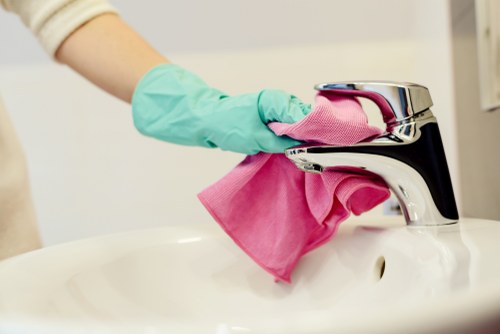
Regular cleaning refers to routine tasks performed on a consistent schedule to keep an area tidy, hygienic, and presentable. These tasks may happen daily, weekly, or at another interval depending on the space and its use. Unlike occasional deep cleaning, regular cleaning focuses on ongoing maintenance. It is the steady work that prevents dirt and clutter from taking over.
Typical regular cleaning tasks include dusting, vacuuming, mopping, wiping surfaces, disinfecting high-touch points, emptying bins, and tidying common areas. In many homes, this also includes cleaning bathrooms, kitchens, and floors. In offices or commercial spaces, regular cleaning often includes desks, reception areas, shared equipment, and restrooms.
Because every environment is different, the exact cleaning schedule should match the needs of the space. A family home with children and pets may require more frequent attention than a low-traffic apartment. A healthcare clinic will usually need stricter cleaning standards than a small office. Still, the core idea remains the same: regular cleaning keeps problems from building up.
Why Regular Cleaning Is So Important
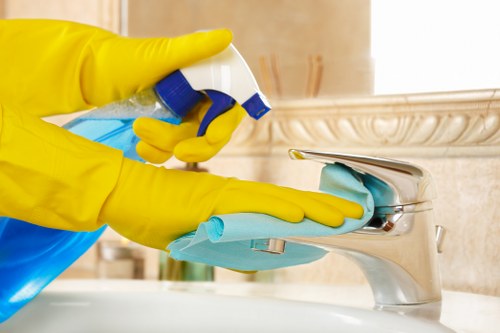
There are many reasons why regular cleaning should be a priority in every property. The most obvious is cleanliness, but the benefits go far beyond appearance. A consistent cleaning routine helps reduce allergens, lower the spread of germs, and create a more pleasant environment for everyone who enters the space.
One of the biggest advantages of regular cleaning is better health. Dust, mold, pet dander, and bacteria can accumulate quickly if surfaces are not maintained. In homes, this can affect people with asthma or allergies. In workplaces, poor cleaning can contribute to discomfort, reduced focus, and more sick days. Clean surroundings support better indoor air quality and a healthier atmosphere overall.
Regular cleaning also protects property value. Floors, carpets, upholstery, appliances, and fixtures last longer when they are cleaned correctly and consistently. Stains, grime, and buildup can damage materials over time. By investing in routine cleaning, owners can avoid unnecessary repairs and replacements. That makes regular cleaning not only practical but also cost-effective.
Health Benefits of Regular Cleaning
A well-maintained space can have a positive impact on physical health. Dust and debris may seem harmless at first, but over time they can worsen allergies and irritate the respiratory system. Regular vacuuming, wiping, and disinfecting help reduce exposure to these irritants. This is especially valuable in homes with children, older adults, or anyone with sensitivities.
Regular cleaning can also limit the spread of common illnesses. Germs often linger on high-touch surfaces such as handles, switches, remote controls, and shared counters. Cleaning and disinfecting these areas frequently can help reduce the risk of contamination. While no cleaning routine can eliminate all risk, it can significantly improve hygiene and support safer daily living.
Another health benefit is mental comfort. Cluttered or dirty spaces can create stress and make it difficult to relax. In contrast, a clean environment often feels calmer and more manageable. Many people notice that when regular cleaning is maintained, they sleep better, focus better, and enjoy their surroundings more. Clean spaces support a better routine, both physically and mentally.
How Regular Cleaning Improves Appearance and Comfort
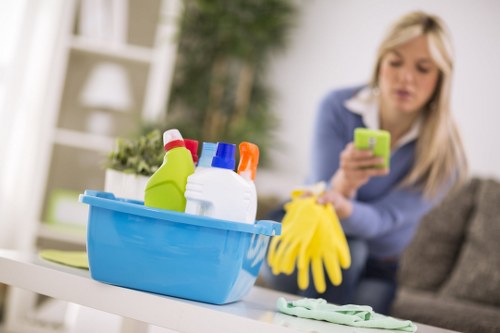
First impressions matter, whether in a home, shop, office, or apartment building. A space that is cleaned regularly looks cared for and welcoming. Dust-free surfaces, polished floors, and tidy rooms send a clear message that the property is valued. That visual appeal matters to guests, clients, employees, and residents alike.
Comfort is another major benefit of regular cleaning. When a space is clean, people can move around more easily, find what they need faster, and enjoy the area without distraction. A tidy kitchen is easier to use. A clean office feels more productive. A fresh living room feels more relaxing. These everyday experiences add up and improve how people feel about the space.
Regular cleaning also helps control odors. Garbage, moisture, food residue, and dust can create unpleasant smells if left unattended. Routine upkeep keeps these issues under control and helps the environment stay fresh. That is one reason why many homeowners and business owners consider regular cleaning services a worthwhile investment rather than an optional extra.
Regular Cleaning in Homes: Practical Everyday Benefits
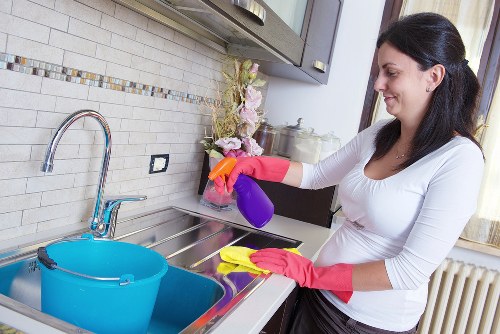
In homes, regular cleaning supports a more peaceful and functional lifestyle. It reduces the chance of clutter piling up, makes chores easier to manage, and creates a more enjoyable place to live. Even a basic routine can make a significant difference when it is done consistently. The goal is not perfection; the goal is steady, manageable upkeep.
Common household tasks usually include:
- Dusting shelves, furniture, and fixtures
- Vacuuming carpets and rugs
- Mopping hard floors
- Wiping down kitchen counters and appliances
- Cleaning sinks, toilets, and bathroom surfaces
- Taking out rubbish regularly
- Organizing items to reduce clutter
By staying on top of these tasks, families can avoid the stress of cleaning everything at once. Regular cleaning also makes it easier to spot maintenance issues early. For example, a small leak, crack, or stain is easier to notice in a well-kept space. That means problems can be addressed before they become expensive or disruptive.
Regular Cleaning in Workplaces: Supporting Productivity and Professionalism
In offices and business settings, regular cleaning plays a major role in daily performance. Employees work more comfortably in a clean environment, and clients feel more confident when a space looks professional. Clean desks, sanitized surfaces, and orderly common areas all contribute to a better work atmosphere.
One important aspect of regular cleaning in workplaces is consistency. When cleaning happens on schedule, there is less interruption to operations and fewer opportunities for dust, spills, and waste to build up. This helps protect equipment, reduce distractions, and support a more efficient workflow. Clean spaces can also improve morale because employees tend to feel more valued when their environment is cared for.
Workplace cleaning often includes:
- Disinfecting desks, handles, and shared surfaces
- Vacuuming and floor care
- Cleaning bathrooms and break rooms
- Emptying bins and managing waste
- Refreshing entryways and reception spaces
For businesses that rely on visitors or customer traffic, regular cleaning is part of brand presentation. A tidy environment suggests attention to detail and professionalism. That can influence how people perceive the business and whether they choose to return.
Creating a Regular Cleaning Schedule That Works
The best regular cleaning routine is one that matches the needs of the property and the people who use it. Rather than trying to do everything in one day, it is usually better to break tasks into manageable parts. A smart schedule spreads the workload and helps ensure that important areas are not overlooked.
When building a schedule, it helps to divide tasks by frequency:
- Daily: wipe surfaces, clean spills, empty bins, tidy common areas
- Weekly: vacuum, mop, clean bathrooms, dust furniture and fixtures
- Monthly: clean behind appliances, wash windows, deep-clean high-use items
- Seasonally: inspect storage areas, clean vents, refresh upholstery, organize unused items
This type of structure makes regular cleaning easier to maintain. It also helps people stay consistent because they know what needs to be done and when. In busy homes or businesses, a checklist can be especially helpful. It reduces guesswork and makes the process more efficient.
Regular Cleaning vs Deep Cleaning
Many people confuse regular cleaning with deep cleaning, but they are not the same. Regular cleaning is the ongoing maintenance that keeps a space looking and feeling clean. Deep cleaning is more detailed and intensive, often targeting hidden dirt, buildup, or neglected areas.
Regular cleaning usually includes visible and high-use surfaces. Deep cleaning may involve baseboards, behind furniture, inside appliances, grout lines, vents, and other areas not addressed in routine cleaning. Both are important, but they serve different purposes. Regular cleaning reduces daily mess, while deep cleaning restores a higher level of cleanliness when needed.
For best results, both should work together. If regular cleaning is consistent, deep cleaning becomes easier and less frequent. That is because dirt and grime have less time to settle in. In other words, regular maintenance supports long-term cleanliness and reduces the workload later.
Tools and Supplies That Make Regular Cleaning Easier
Having the right tools can make a major difference in how effective and efficient regular cleaning becomes. Basic supplies do not need to be expensive, but they should be reliable and suitable for the surfaces being cleaned. The right equipment helps people finish tasks faster and with better results.
Useful cleaning supplies often include:
- Microfiber cloths
- Mild all-purpose cleaner
- Disinfectant for high-touch areas
- Vacuum cleaner or broom
- Mop and bucket
- Scrub brushes for tougher spots
- Trash bags and liners
- Protective gloves
It is also important to use products safely and follow instructions carefully. Some surfaces may require specialized cleaners to avoid damage. Choosing the right tools not only improves results but also makes regular cleaning services or DIY routines more manageable. A well-stocked cleaning caddy can save time and reduce frustration.
Tips for Making Regular Cleaning a Habit
One of the biggest challenges with cleaning is staying consistent. Many people start with good intentions and then fall behind when life gets busy. The key is to build a routine that feels realistic. Small, repeated actions are easier to maintain than occasional large cleaning sessions.
Here are a few practical tips:
- Set a fixed cleaning time each day or week
- Use checklists to stay organized
- Focus on high-traffic and high-touch areas first
- Store supplies in a convenient location
- Break larger tasks into shorter steps
- Share responsibilities among household or team members
It also helps to pair cleaning with another routine. For example, wiping the kitchen after dinner or tidying the office before leaving for the day can make regular cleaning feel automatic. When cleaning becomes part of the normal rhythm, it requires less effort to maintain.
When Professional Regular Cleaning Services Make Sense
Although many people handle basic upkeep themselves, there are times when professional support is the better option. Busy households, large properties, and commercial spaces often benefit from scheduled cleaning assistance. Professional cleaners can handle tasks efficiently, follow a detailed plan, and maintain a higher level of consistency.
Professional regular cleaning is especially useful when:
- The property has frequent traffic
- There are strict hygiene expectations
- Cleaning tasks are becoming difficult to manage alone
- Consistency is important for appearance or operations
- Specialized equipment or products are needed
Working with a cleaning service can also save time and reduce stress. Instead of trying to fit everything into an already busy schedule, property owners can focus on other priorities while knowing that the space is being maintained properly. If your space needs reliable upkeep, contact us today or book your service now to keep your environment in top condition.
Why Consistency Matters More Than Perfection
Some people avoid regular cleaning because they feel they cannot keep everything spotless all the time. That mindset can make cleaning seem overwhelming. In reality, consistency matters far more than perfection. A space that is cleaned regularly will almost always look and feel better than a space that is cleaned only when it becomes too messy to ignore.
The goal is to prevent buildup, maintain hygiene, and make ongoing upkeep easier. A few minutes of attention each day can make a noticeable difference over time. This is especially true in homes and workplaces where mess accumulates quickly. By focusing on consistency, people can maintain cleaner spaces without feeling pressured to achieve unrealistic standards.
Regular cleaning works best when it becomes part of everyday life. That steady effort creates long-term benefits that go beyond appearance. It improves comfort, supports health, protects surfaces, and keeps spaces ready for use. Whether you do it yourself or rely on professional support, the value of consistency is hard to overstate.
Common Mistakes to Avoid in Regular Cleaning
Even with the best intentions, some common mistakes can reduce the effectiveness of a cleaning routine. Avoiding these issues can make your efforts more worthwhile and help you maintain better results over time.
Frequent mistakes include:
- Using the wrong product on delicate surfaces
- Skipping high-touch areas like switches and handles
- Waiting too long between cleanings
- Ignoring hidden dirt in corners and edges
- Trying to do too much at once
- Not replacing cloths, sponges, or filters regularly
Another mistake is assuming that a space is clean just because it looks tidy. Regular cleaning should address both appearance and hygiene. Paying attention to details such as dust on surfaces, residue in bathrooms, and buildup in kitchens helps ensure a truly well-maintained space. When in doubt, a simple routine done consistently is better than an elaborate plan that never gets finished.
Long-Term Value of Regular Cleaning
The long-term value of regular cleaning is easy to see once it becomes part of a routine. Spaces stay in better shape, people feel more comfortable, and major cleaning jobs become less frequent. Over time, that can save money, reduce stress, and create a more pleasant environment for everyone involved.
Regular upkeep also supports better organization. Clean, orderly spaces are easier to navigate and maintain. That matters in homes where families need to move efficiently and in workplaces where productivity depends on structure. When cleaning is consistent, the environment becomes easier to manage overall.
Most importantly, regular cleaning helps create a standard of care. It shows that a property is being looked after thoughtfully and responsibly. That care can be seen in the way surfaces shine, the way rooms feel, and the way people respond to the environment. For anyone who wants a better space, it is one of the simplest and most effective habits to maintain.
Final Thoughts on Regular Cleaning
Regular cleaning is more than a routine chore. It is a practical investment in health, comfort, efficiency, and appearance. Whether you are caring for a home, office, or shared property, consistency makes all the difference. When cleaning happens on a steady schedule, spaces stay fresher, safer, and more inviting.
From reducing allergens and controlling germs to improving morale and protecting surfaces, the benefits are wide-ranging. A smart routine does not need to be complicated. It simply needs to be realistic, repeatable, and suited to the needs of the space. With the right approach, regular cleaning services or personal upkeep can help maintain a better environment every day.
If you are ready to improve your space and keep it looking its best, book your service now and make regular cleaning a priority. A cleaner environment is easier to enjoy, easier to manage, and far better for long-term peace of mind.